A tub-shower combination works hard in a shared bathroom. It may be a morning shower, an evening bath, and the place where a parent helps a child wash. Adding a glass door changes the appearance, but the room still needs to support those routines.
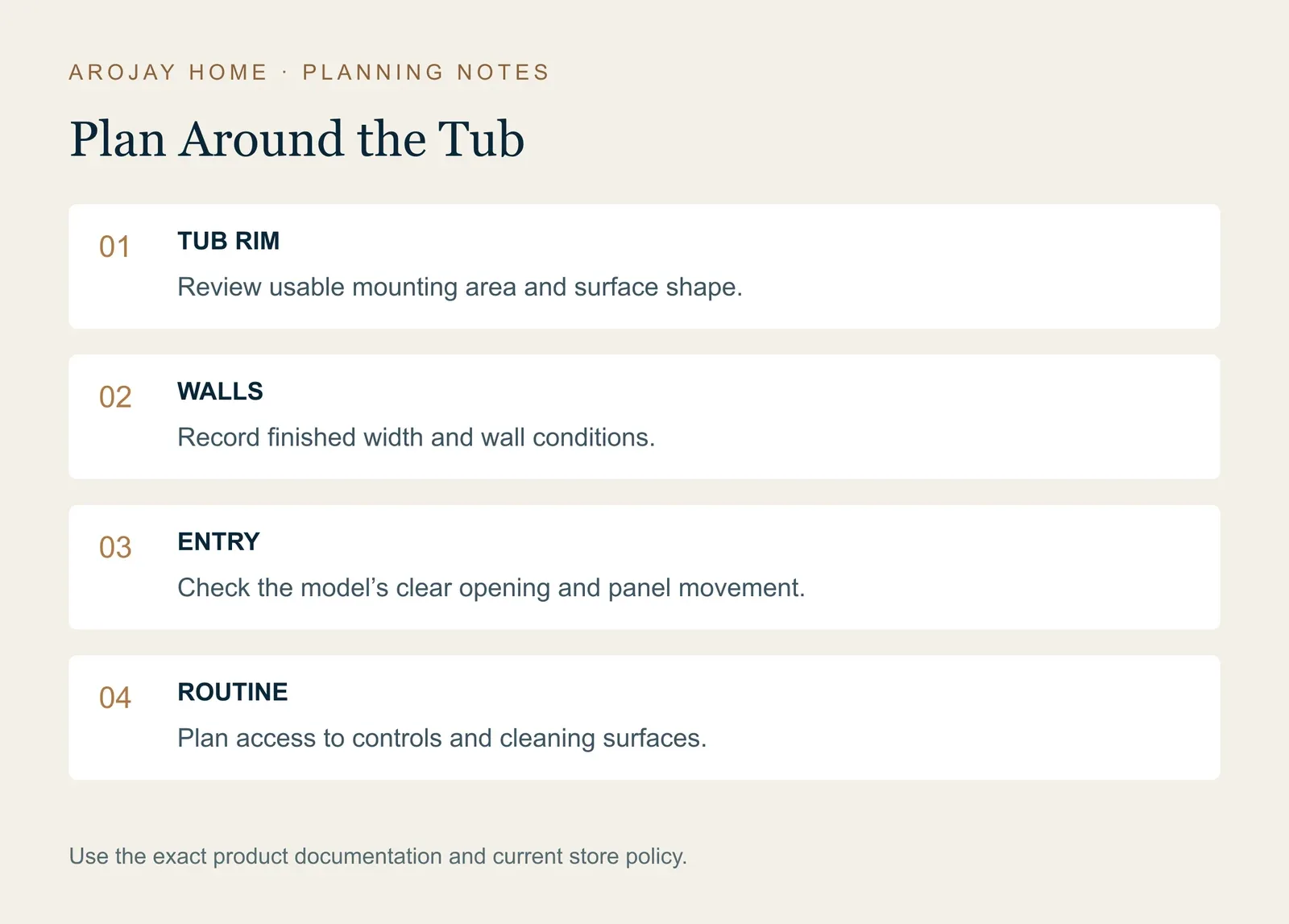
Start with the bathtub and its surroundings. The right planning conversation covers more than wall-to-wall width: it includes the tub ledge, wall surfaces, entry opening, controls, and access for cleaning or assistance.
Choose a tub-door starting point
Look for a product specifically described for the relevant bathtub installation. Do not assume a shower-only model is suitable because its width appears to match.
The door and tub must work together under their applicable documentation. Gather the tub manufacturer and model if available, alongside clear photos of the ledge, ends, walls, and surrounding fixtures. If the tub model is unknown, show that uncertainty to your installer rather than selecting a mounting method by appearance.
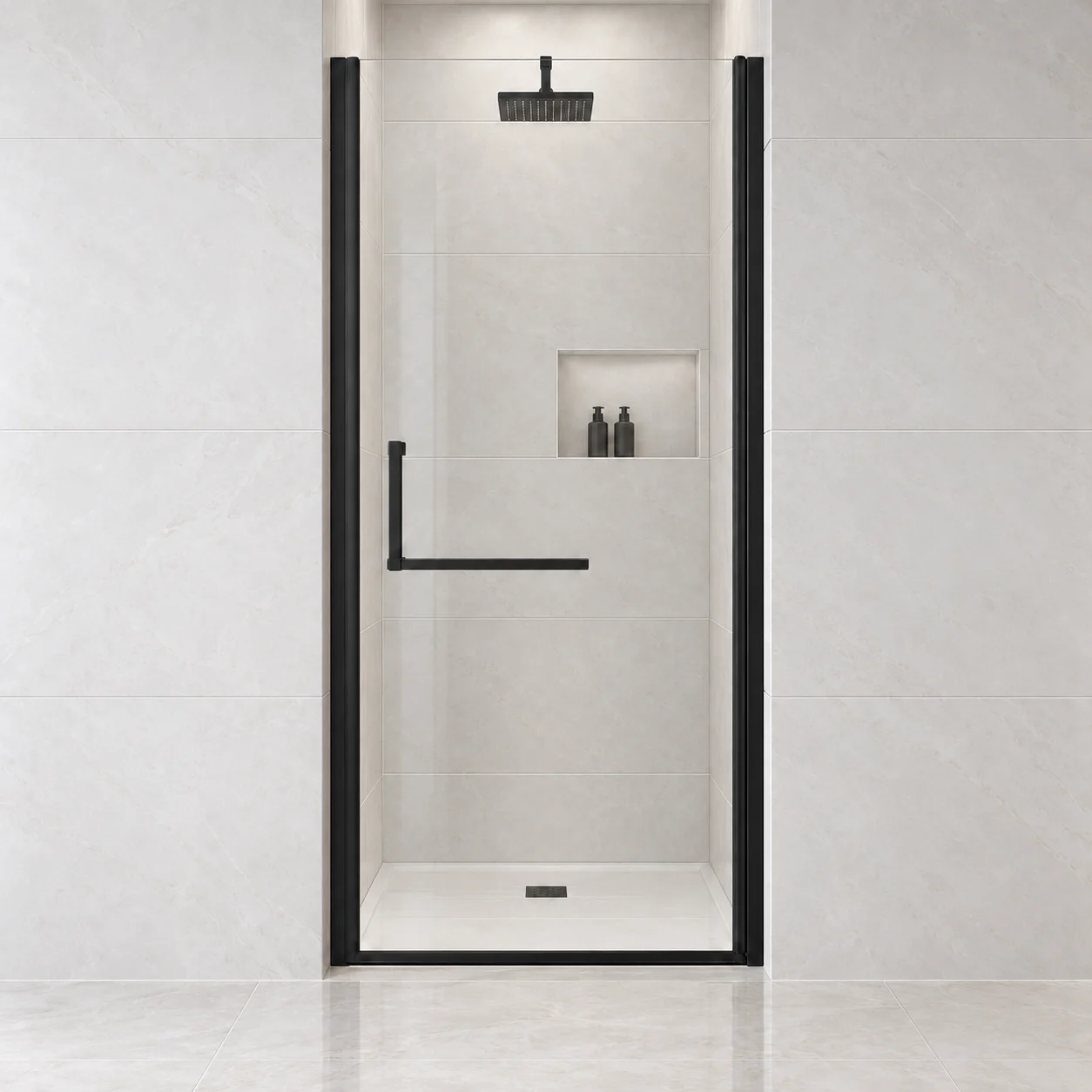
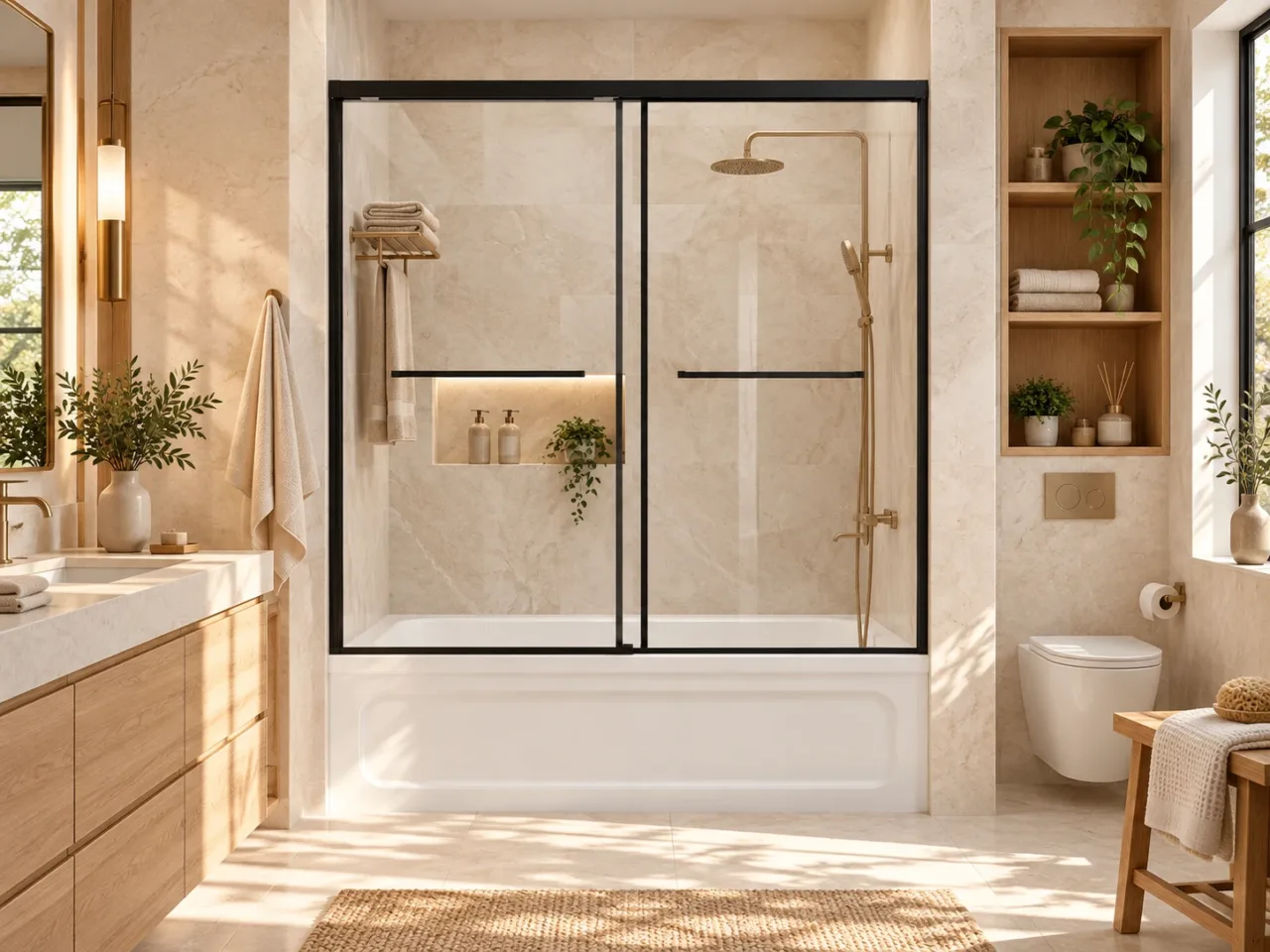
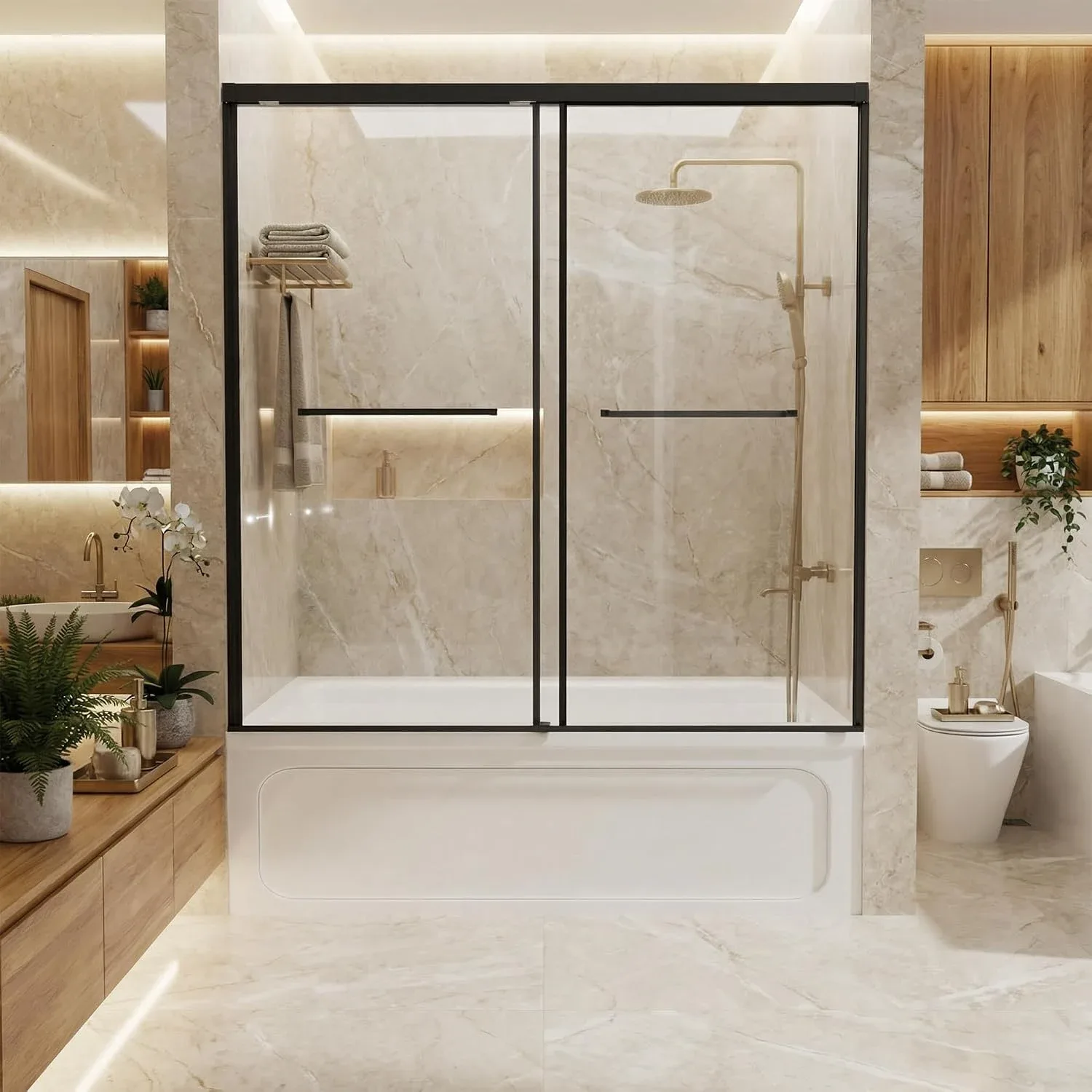
AROJAY's S04 double-sliding bathtub door is listed for a 56–60-inch opening, with a 60-inch product height, matte black finish, and 1/4-inch clear tempered glass. Those details make it a concrete starting point for a tub-door comparison. Your installer still needs to check the tub ledge and walls before you order.
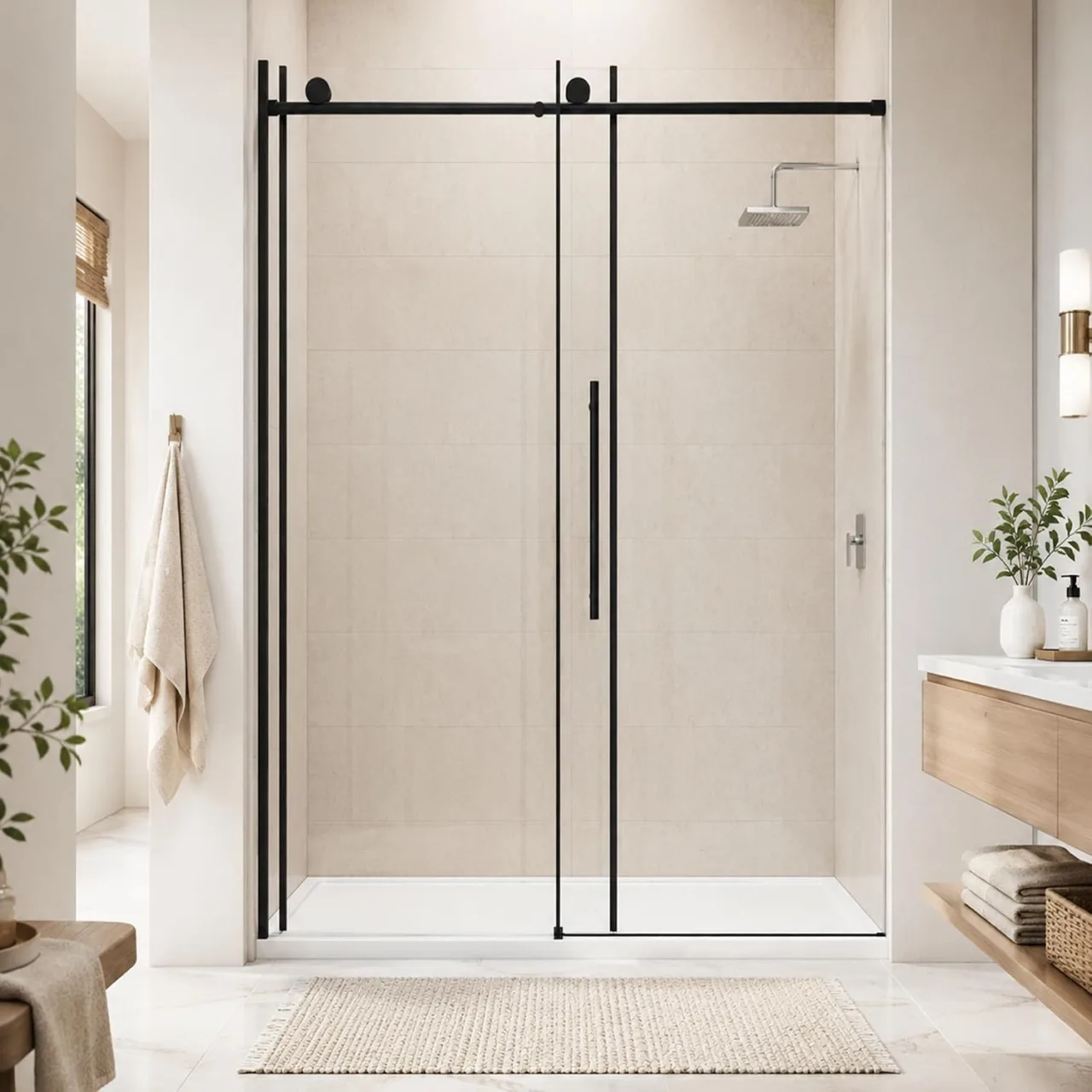
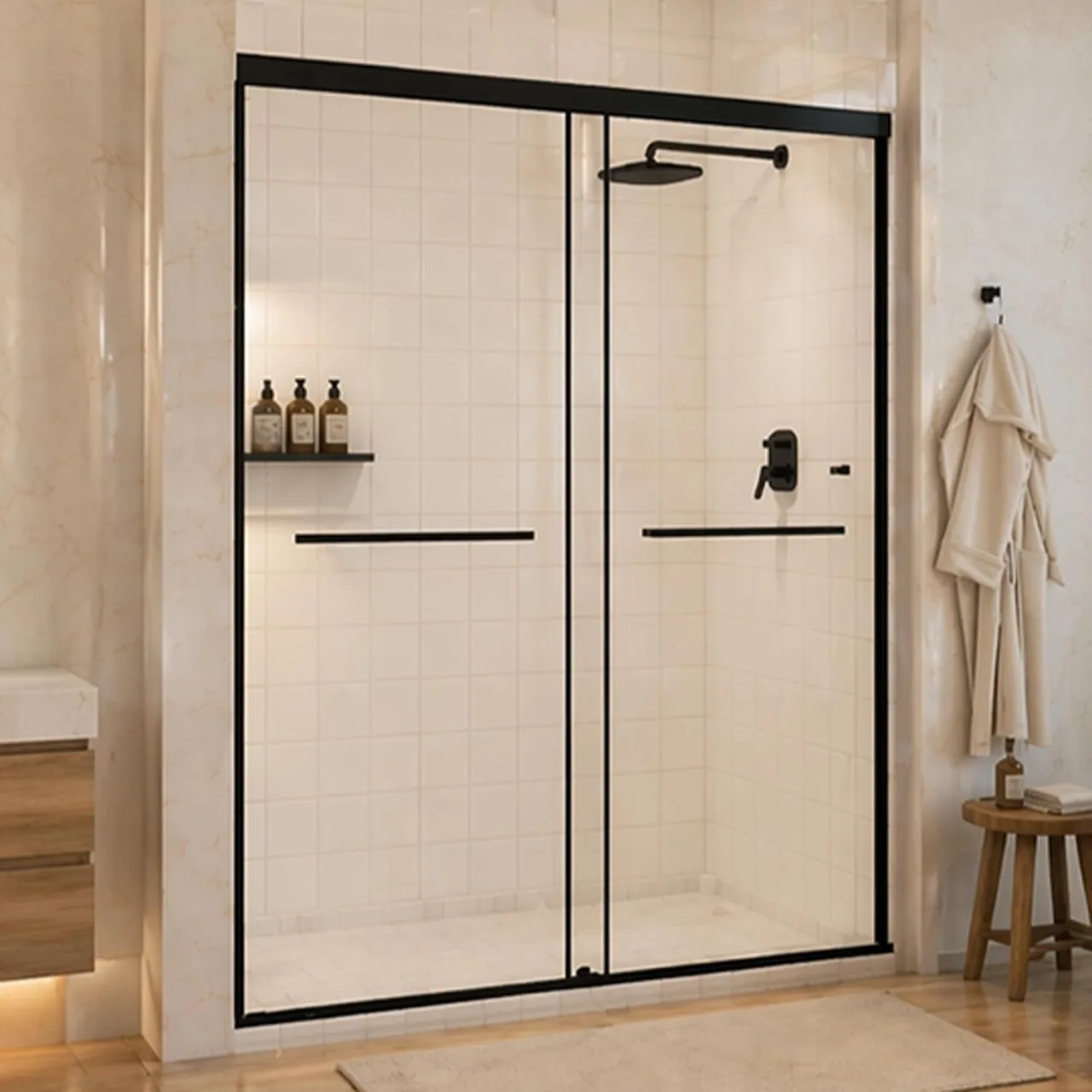
Do not confuse it with the S03 shower door, which also has a 56–60-inch opening option but a 72-inch product height. A matching width does not make a shower model and a bathtub model interchangeable.
Look closely at the ledge
The tub ledge is the surface the proposed system must work with. Photograph it along its full length and at both ends. Note curves, slopes, molded details, existing tracks, and nearby trim for the installer to assess.
Measure and photograph the flat area available along the ledge, including any section narrowed by curves or trim. Send those details with the S04 product link to your installer or AROJAY Support. Ask: “Can this bottom track sit correctly on my tub, and are the wall mounting areas suitable?” Do not borrow a minimum ledge dimension from another brand's video.
If the tub is acrylic, fiberglass, cast iron, or another material, make that information part of the review. The material and manufacturer’s instructions can affect which work is appropriate. This is a compatibility question to resolve before anyone drills or modifies the tub.
Measure the completed opening
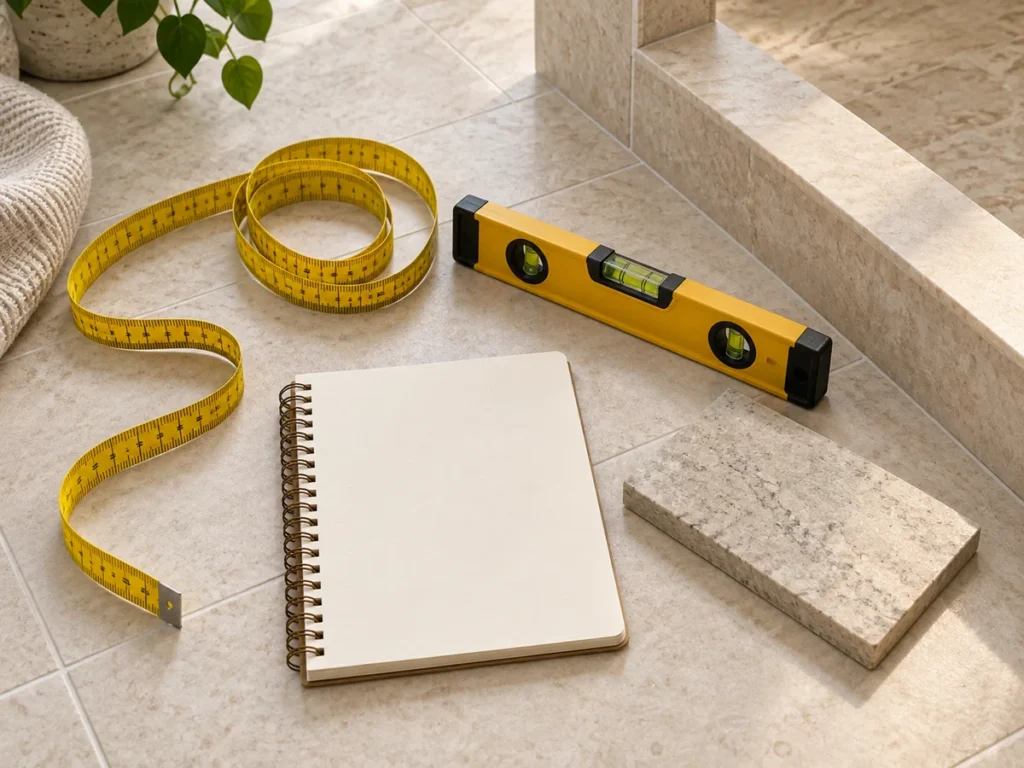
Record the opening using the measurement guide. Measure against the finished surfaces, and keep readings at different heights separate. Include relevant height information and obstructions.
A tub sold under a familiar nominal size does not give you a verified door opening. Walls, tile, and trim influence the finished space, while different products have different fitting requirements.
When measurements differ, note the difference and ask how the exact selected door handles the condition. Do not assume the advertised opening range is also a permitted wall-alignment allowance.
If you plan to retile the surround, finalize that work in the project scope before confirming the door. A change to the wall finish can change the dimensions you are shopping against.
Rehearse entry, controls, and assistance
Consider who uses the tub and what they need to do. Can the person reach the controls before stepping in? Where will they enter? Does a vanity, toilet, or bathroom door make that approach awkward?
For a sliding arrangement, review the usable entry and which panels move. Do not assume the whole wall-to-wall span becomes an opening. For any other movement, review its complete path against the room layout.
If someone helps a child bathe, consider where that person sits or kneels and how far they need to reach. For a household member with mobility needs, discuss the arrangement with a qualified professional. A door changes access, and the tub wall still has to be crossed.
This everyday-use review often reveals a more important requirement than the finish color. Write those requirements down so they stay visible when comparing attractive product photos.
Keep cleaning access in the design decision
Look at the surfaces you will need to clean with the door installed. Ask how to reach around handles, overlapping panels, guides, and the ends of any track or rail system. Compare that access with the way the tub is used.
Read the care guidance for the selected glass and finish. Do not assume that a product advertised for general bathroom cleaning is suitable for every coating or metal component.
Choose a place for routine cleaning supplies and bathing items that does not interfere with the door movement. A bottle shelf, hanging caddy, or towel can create an obstruction even when the original room layout looked clear.
Consider the complete water-management setup
Show your installer the showerhead position, controls, tub edge, and surrounding wall conditions. Ask how the selected door’s arrangement and seals should be installed for that setup.
Avoid judging water containment from a showroom picture. A product photo does not show the spray direction, condition of the surfaces, or details of the installation in your room. Do not change panel orientation or seal placement on the basis of an unrelated video.
The relevant manual and a site review should answer these questions before the product is installed.
Plan the visual update around the whole room
Glass brings the tub surround into view. If you like your tile, it can become a larger part of the design. If the surround needs repair or refinishing, account for that before choosing the door as the final visual detail.
Compare the door finish with faucets, cabinet hardware, lighting, and towel fittings. You do not need to replace every metal element for the room to feel intentional; a clear palette and repeated details can guide the decision.
Before ordering, send your installer three things: the chosen door link, your wall-to-wall measurements, and photos of the tub rim and both ends. Explain who uses the bath and whether anyone needs help getting in or bathing. Then work through the installation preparation checklist so the practical details are settled before the door arrives.