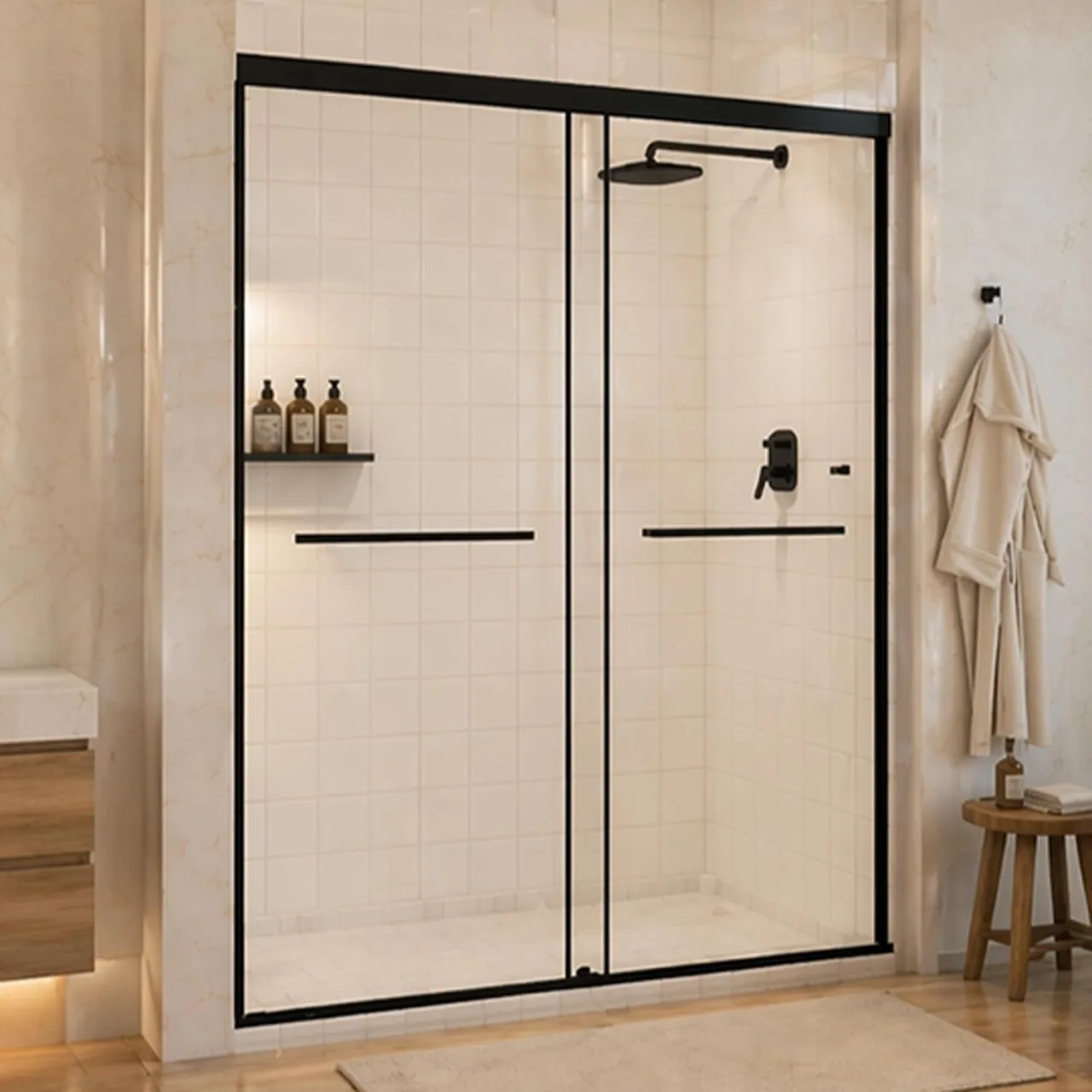

A shower door on acrylic shower walls needs more than a matching opening width. Before ordering, identify the existing surround, establish what is known about its backing and ask whether the exact door model is approved for that construction. The word “acrylic” describes a material; it does not, by itself, answer the compatibility question.
This guide helps you prepare that decision. It does not establish that an AROJAY door fits your surround or tell you how to drill, reinforce or fasten a wall. Keep any proposed installation on hold until the applicable documents and the project conditions have been checked together.
Identify the surround before comparing doors
Look for the surround manufacturer, model number, purchase record and installation instructions. Record whether it is a molded unit, a direct-to-stud wall system or a separate panel system. If you cannot identify it, write “unknown” in the project notes rather than guessing from the glossy surface.
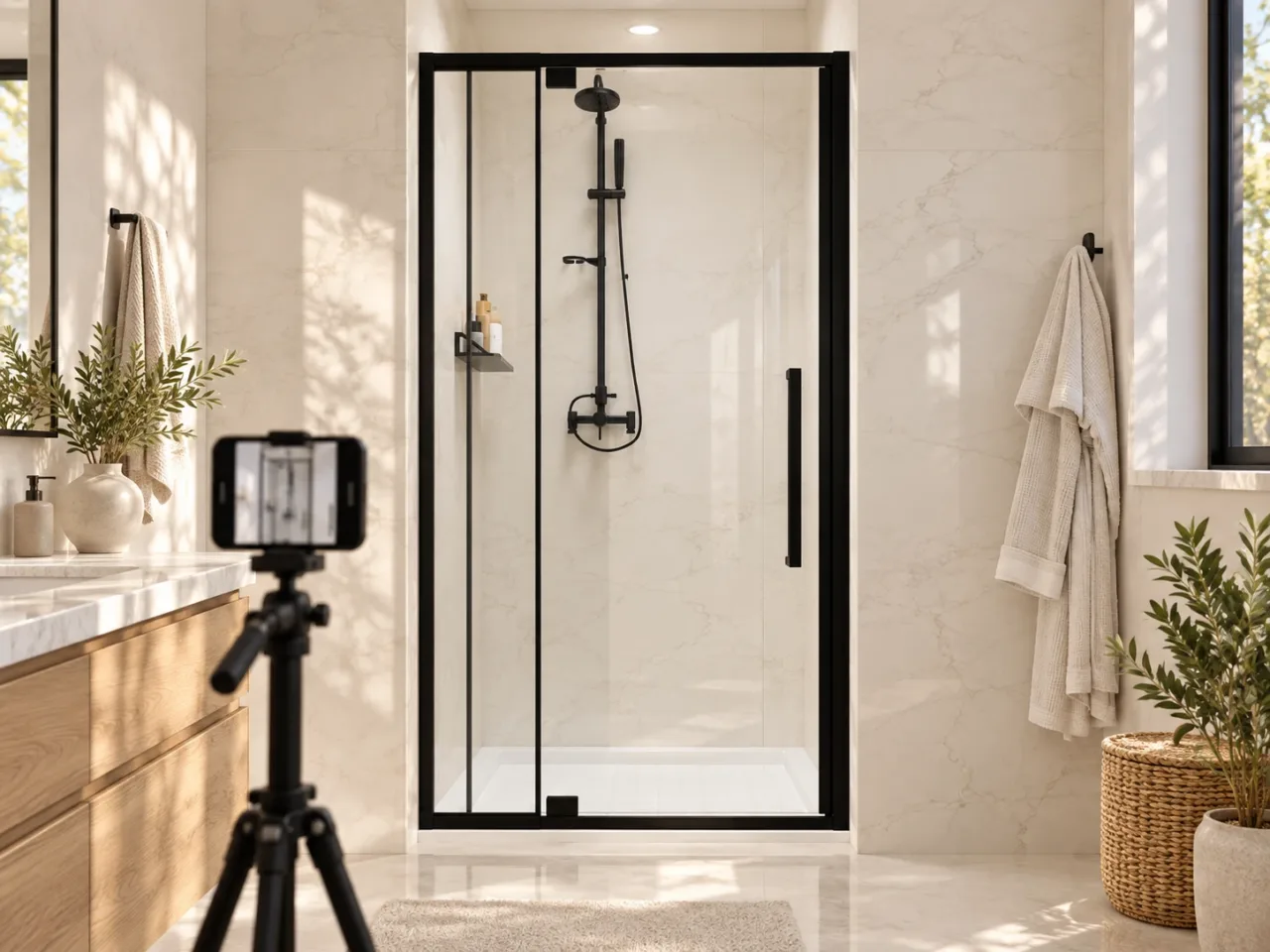
Photograph the full enclosure, the base or tub, each side wall and any visible product label. Include molded shelves, seams and rounded transitions. These photos give the supplier context, but they cannot prove what is concealed behind the finished surface. Avoid removing panels or opening the wall just to complete a shopping checklist; discuss any investigation with the appropriate project professional.
Separate the visible finish from the backing information
A useful project record has two different entries: what the finished wall is made of, and what documentation exists for the construction behind the proposed attachment area. The original surround instructions, installation photographs or the builder’s records may help answer the second question. Keep their source and date with the notes.
Do not turn “there is framing somewhere behind the shower” into “this mounting location is confirmed.” Ask the installer and the relevant manufacturers what information they need for the exact attachment arrangement. Neither the appearance of the panel nor a packet of supplied wall anchors is a substitute for that review.

Ask about the exact door model and configuration
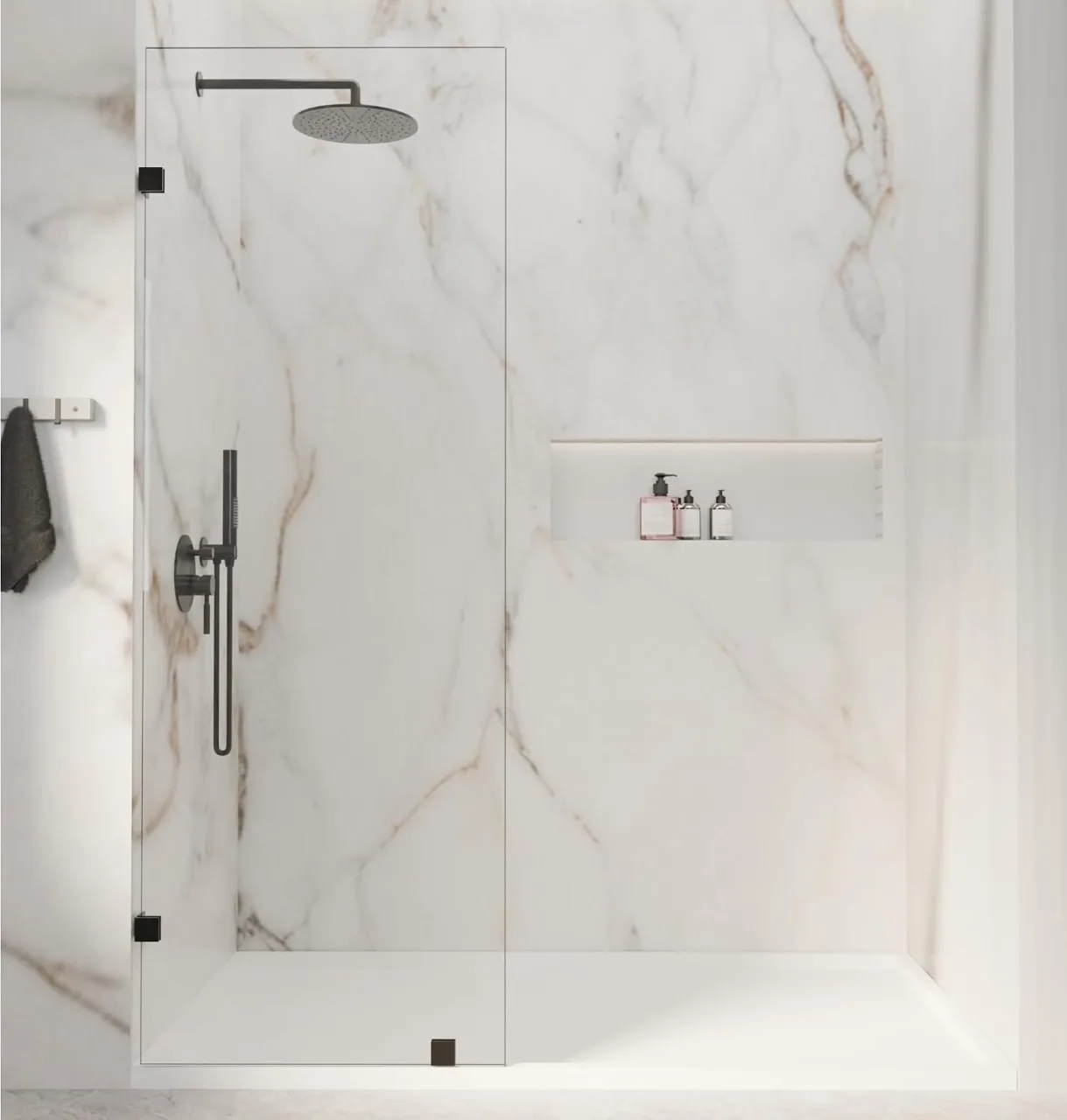
Use the current installation manual for the precise door SKU, size and configuration being considered. A statement about a sliding system does not automatically answer a question about a wall-hinged door or a fixed panel. The surround manufacturer’s instructions also belong in the same review.
For context, Basco’s acrylic and fiberglass guide distinguishes construction methods and provides separate guidance for particular heavy-glass models. That is an example of manufacturer-specific conditions, not approval for an AROJAY installation. Do not transfer another brand’s framing dimensions, fixing instructions or approved-model list to your chosen door.
Document the shape of the mounting area
Ask the proposed installer to review the finished opening and the actual surfaces where the selected system would attach. A molded corner, curved transition, seam or projecting shelf belongs in that discussion. Record existing holes, visible cracks or previous repairs as well; do not assume the next enclosure can reuse them.
Keep this question separate from the base’s usable ledge. The threshold planning guide explains why curb height and mounting depth are different records. It does not resolve wall suitability. Use the finished-opening measurement guide for the measurement portion of the project.
Send one clear compatibility request
A concise request is easier to review than several disconnected shopping screenshots. Include the surround make and model, the proposed door product link and selected configuration, the finished measurements, wide and close photographs, and the available construction records. State which details remain unknown.
For example: “Please confirm whether this exact door configuration is suitable for the attached surround model and documented wall construction. Which installation document applies, and what information is still needed before ordering?” Ask for a response that identifies the configuration discussed, then keep it with the order records. A general reply about acrylic walls should not be treated as an answer for every enclosure.
Resolve missing information before placing the order
If the surround cannot be identified, backing information is missing or the documents appear to conflict, pause product selection and ask what would establish suitability. A different style or a smaller glass panel should not be assumed to solve an unverified mounting condition. Likewise, an attractive product photograph is not an installation approval.
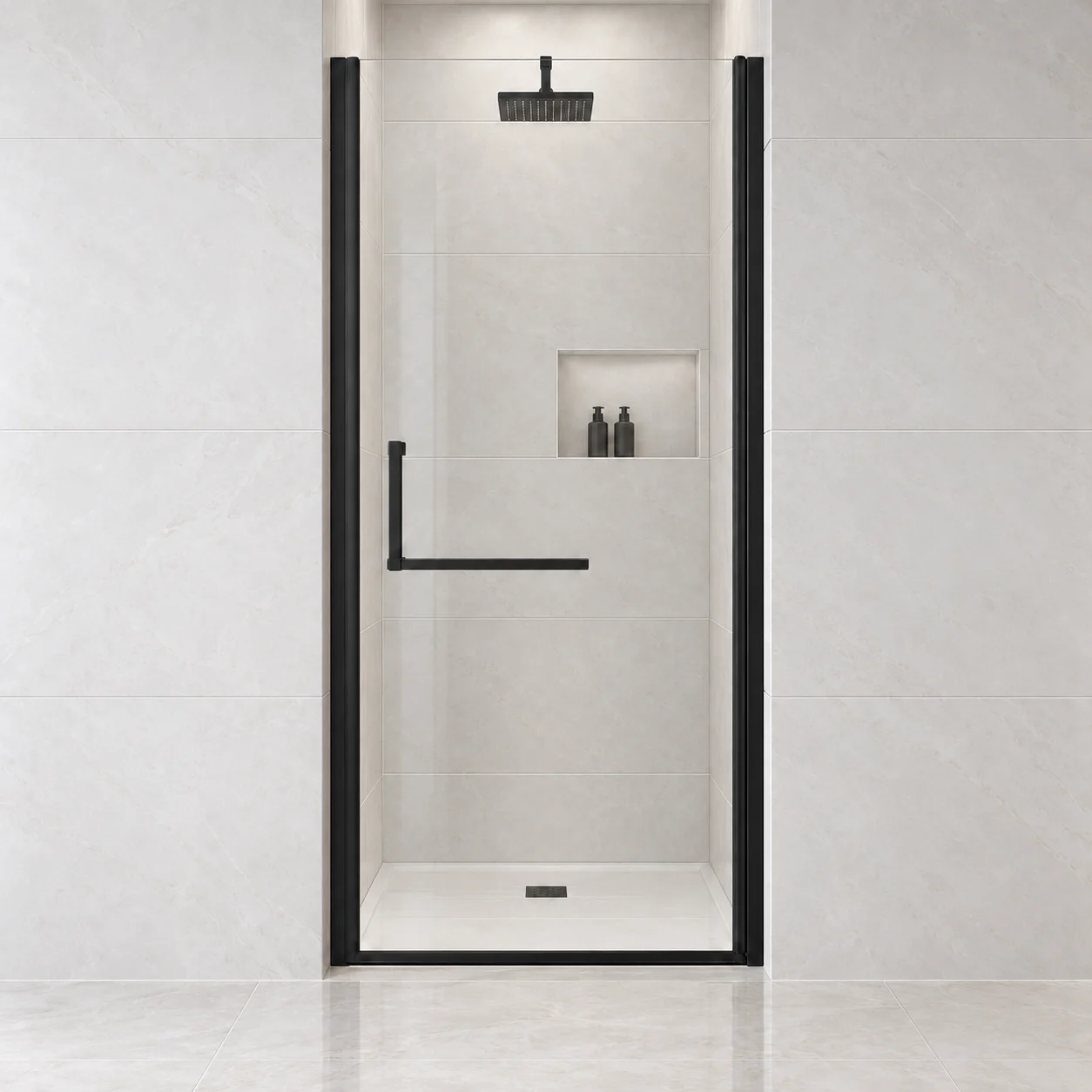
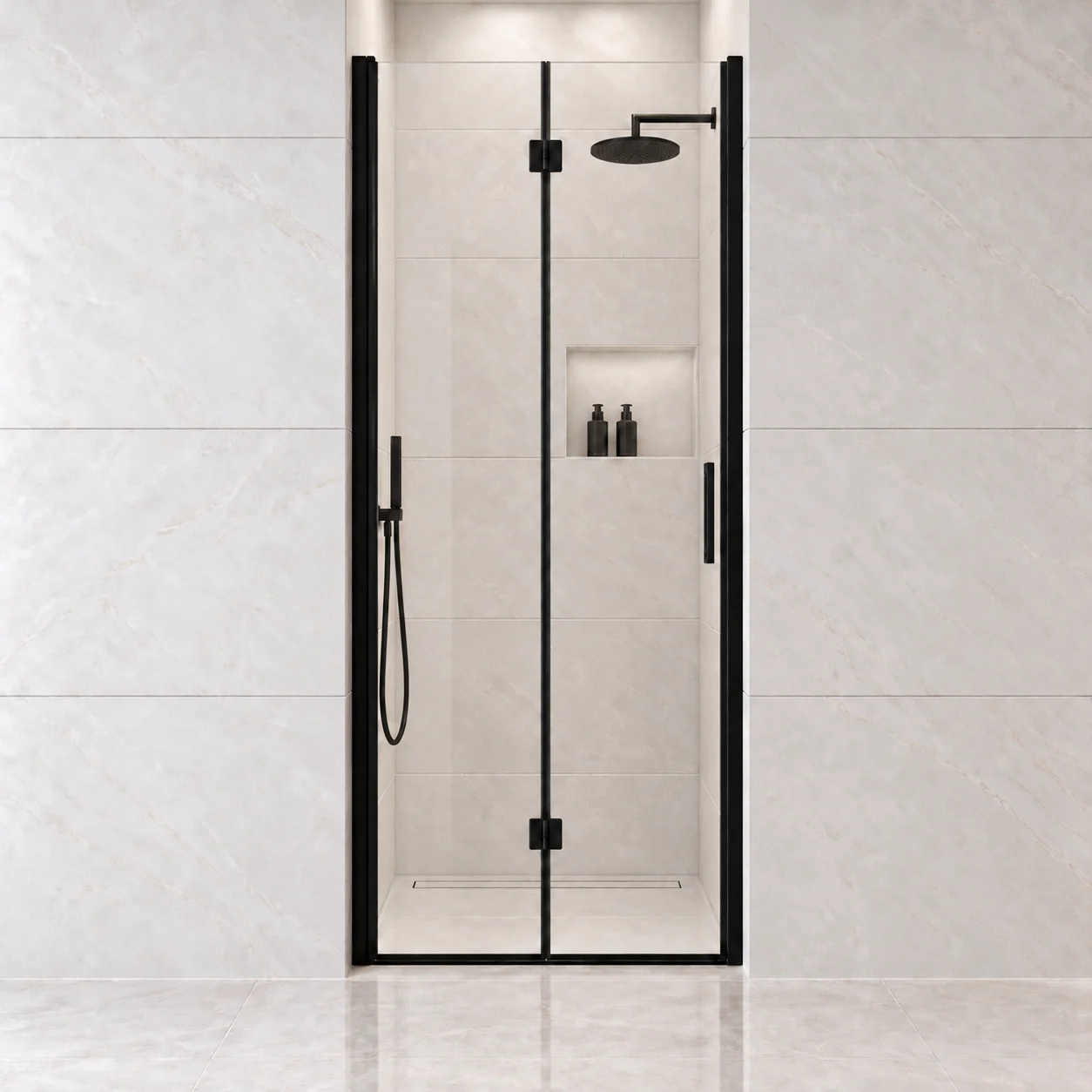
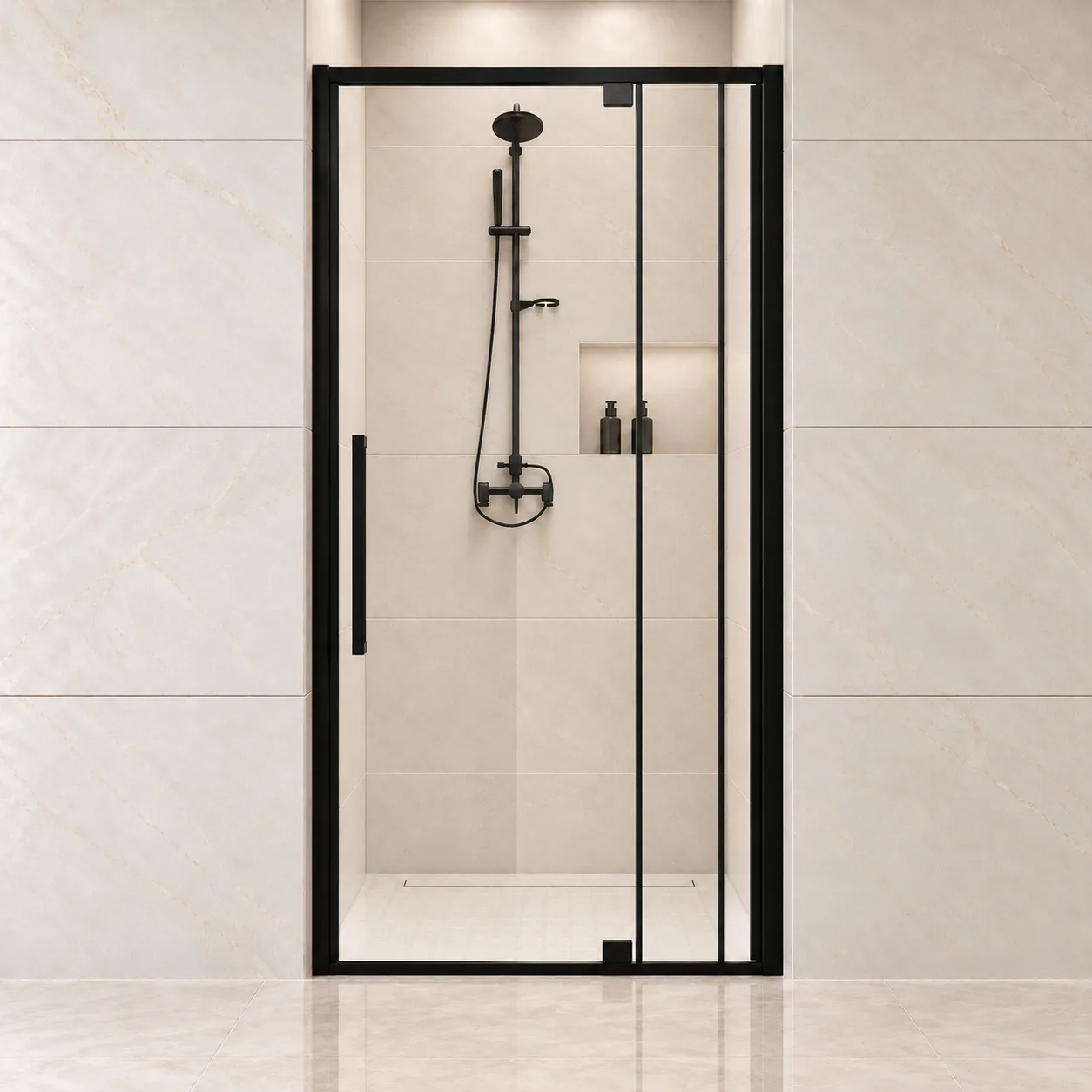
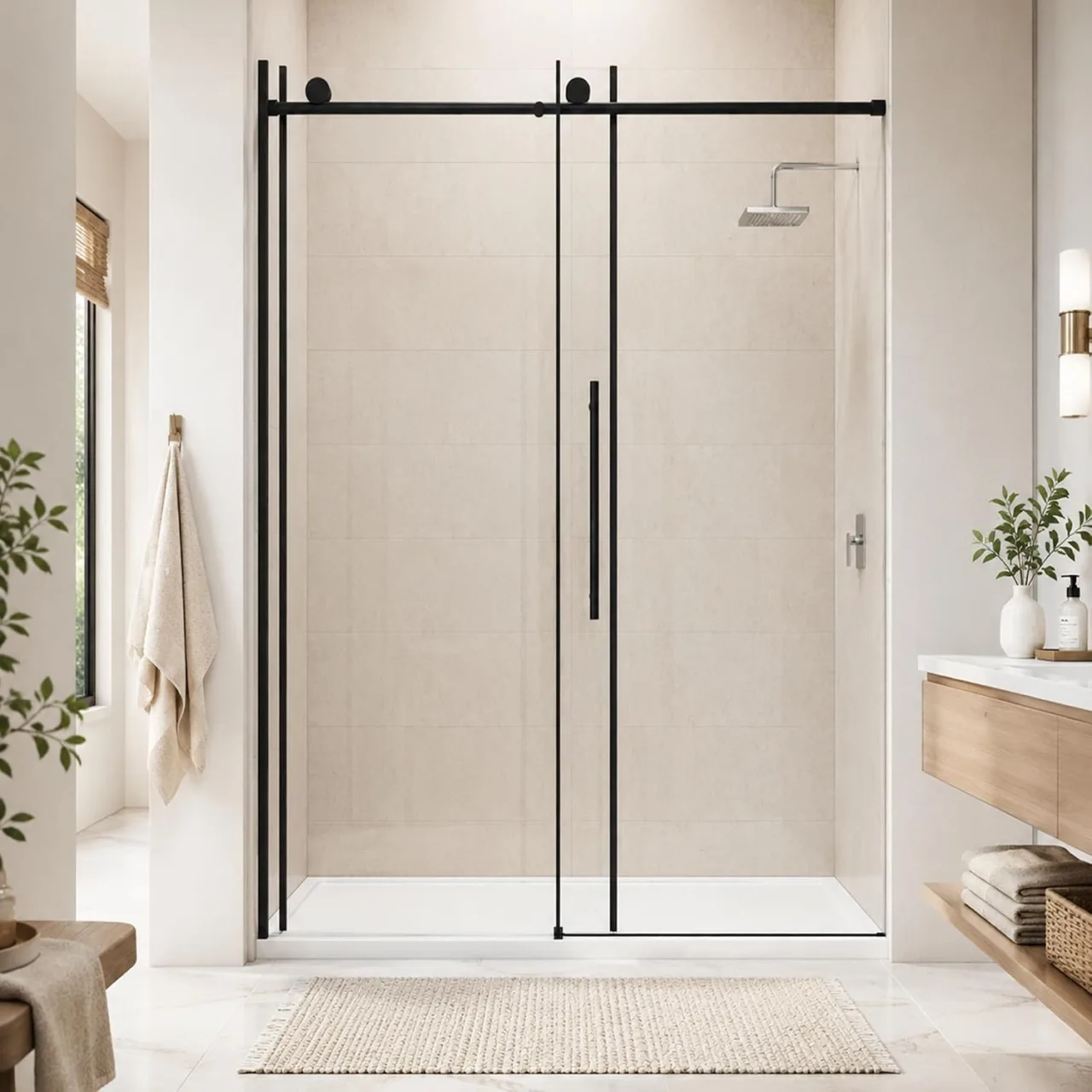
Use the AROJAY installation resources and For Pros resources to prepare a model-specific discussion. Current options such as the semi-frameless pivot door and frameless sliding door are product references for that conversation; neither link establishes compatibility with acrylic or fiberglass walls. Confirm the wall conditions first, then compare the configurations that are actually supported.